🎉 Up to 70% Off Selected ItemsShop Sale

Select Type
Select Size
From $1.17
Original: $3.35
-65%Stinging Nettles—
$3.35
$1.17The Story
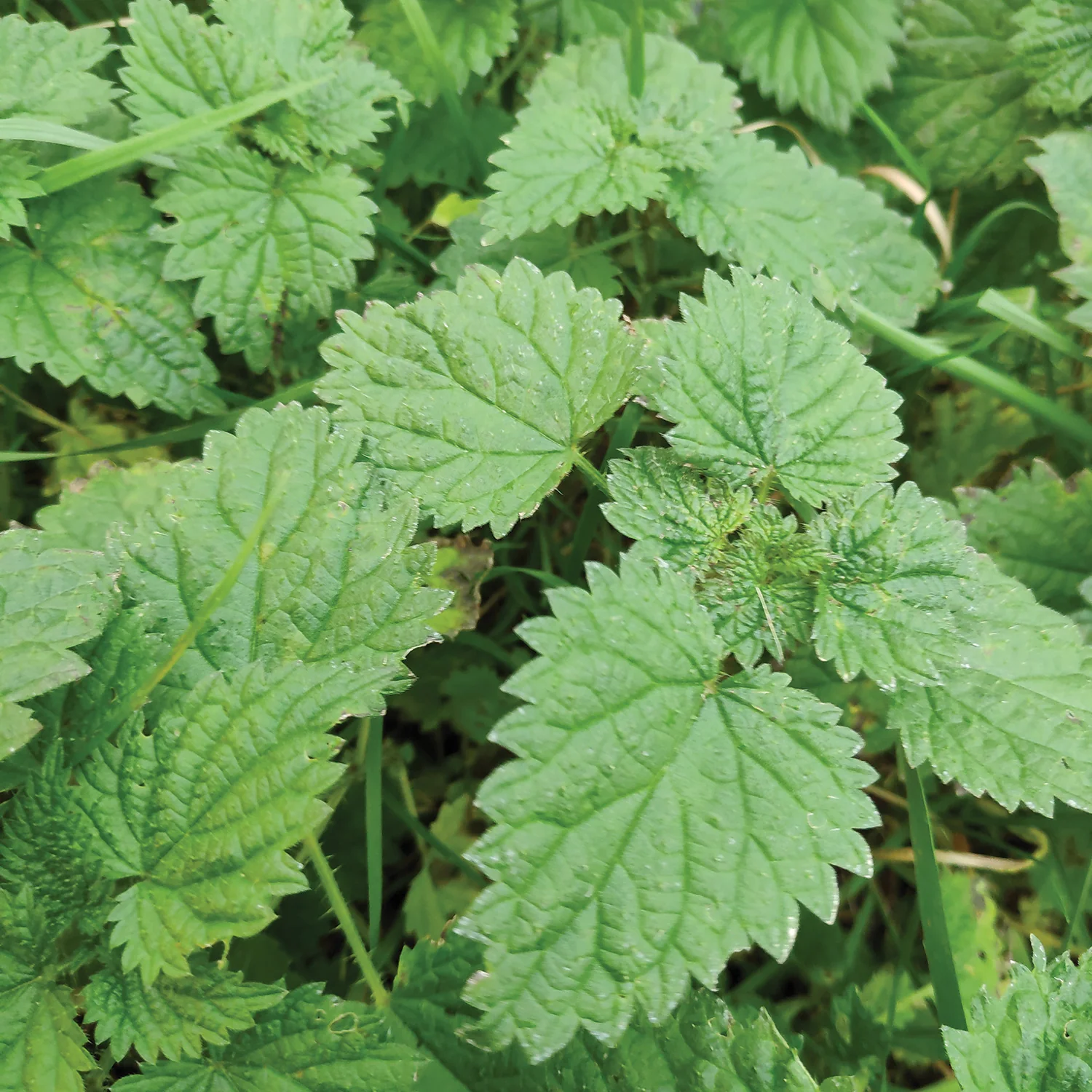
Urtica dioica Stinging Nettles are a wild plant used for both food and tea, with a wide range of adaptability. Once established, this so-called “weed” naturalizes easily and returns year after year. One of the first plants to emerge in late winter and early spring, nettles are best harvested for their fresh tops before flowering. It’s known for having one of the highest chlorophyll contents in the plant kingdom and is rich in iron and minerals, traditionally used to support the blood as a tonic. Enjoyed as a warm or cold infusion, nettles tea is nourishing and delicious on its own or in blends. It’s equally tasty as a steamed green in soups, spanakopita, or as a vibrant pesto (blanch lightly first to remove the sting). When consumed in early spring, nettles have been known to help combat seasonal allergies. Strengthening and fortifying, the leaves, stems, and roots can be used in teas, cooking, topical preparations, and more.
The plant’s tiny stinging barbs (most concentrated on the flowers) can cause painful rashes and welts when brushed against, though the stings have also been traditionally used for their healing properties in a practice known as urtication. Handling fresh nettles requires care—gloves and long sleeves are recommended—but the stinging hairs break down easily with heat or drying. When sowing do not bury seed. Hardy in zones 3–10. Approximately 875 seeds per ⅛ gram. Germination code: (4)
The plant’s tiny stinging barbs (most concentrated on the flowers) can cause painful rashes and welts when brushed against, though the stings have also been traditionally used for their healing properties in a practice known as urtication. Handling fresh nettles requires care—gloves and long sleeves are recommended—but the stinging hairs break down easily with heat or drying. When sowing do not bury seed. Hardy in zones 3–10. Approximately 875 seeds per ⅛ gram. Germination code: (4)
Description
Urtica dioica Stinging Nettles are a wild plant used for both food and tea, with a wide range of adaptability. Once established, this so-called “weed” naturalizes easily and returns year after year. One of the first plants to emerge in late winter and early spring, nettles are best harvested for their fresh tops before flowering. It’s known for having one of the highest chlorophyll contents in the plant kingdom and is rich in iron and minerals, traditionally used to support the blood as a tonic. Enjoyed as a warm or cold infusion, nettles tea is nourishing and delicious on its own or in blends. It’s equally tasty as a steamed green in soups, spanakopita, or as a vibrant pesto (blanch lightly first to remove the sting). When consumed in early spring, nettles have been known to help combat seasonal allergies. Strengthening and fortifying, the leaves, stems, and roots can be used in teas, cooking, topical preparations, and more.
The plant’s tiny stinging barbs (most concentrated on the flowers) can cause painful rashes and welts when brushed against, though the stings have also been traditionally used for their healing properties in a practice known as urtication. Handling fresh nettles requires care—gloves and long sleeves are recommended—but the stinging hairs break down easily with heat or drying. When sowing do not bury seed. Hardy in zones 3–10. Approximately 875 seeds per ⅛ gram. Germination code: (4)
The plant’s tiny stinging barbs (most concentrated on the flowers) can cause painful rashes and welts when brushed against, though the stings have also been traditionally used for their healing properties in a practice known as urtication. Handling fresh nettles requires care—gloves and long sleeves are recommended—but the stinging hairs break down easily with heat or drying. When sowing do not bury seed. Hardy in zones 3–10. Approximately 875 seeds per ⅛ gram. Germination code: (4)